

Industrial painting is a significant investment that requires more preparation than an ordinary residential painting project. Whether you are repainting a factory, warehouse, workshop or commercial facility in Perth or Kelmscott, careful planning is essential for achieving a durable finish while minimising operational disruptions.
From assessing surfaces and selecting suitable coatings to organising equipment, safety measures and work schedules, several factors need consideration before painting begins. So, how much planning does industrial painting actually require? The answer depends on the size of the facility, surface conditions, operational requirements and the complexity of the project.
-
Assess the Industrial Site and Its Requirements
The first step is to understand the property’s condition and painting requirements. Industrial facilities often have different surfaces, including concrete floors, steel structures, metal cladding, machinery and external walls.
A professional assessment as part of industrial painting in Perth and its suburbs helps identify:
- Existing paint deterioration and corrosion.
- Surface contamination, grease and chemical residue.
- Cracks, damaged coatings and other defects.
- Areas requiring specialised protective coatings.
- Difficult-to-access surfaces and elevated structures.
For businesses in Perth and Kelmscott, this assessment helps determine the scope of work, materials and preparation methods required.
-
Choose the Right Industrial Paint and Coatings
Selecting suitable coatings is one of the most important planning decisions. Industrial environments can expose painted surfaces to moisture, chemicals, abrasion, temperature variations and heavy machinery.
Depending on the application, suitable products may include epoxy coatings, polyurethane finishes, anti-corrosion primers and specialised protective paints.
The selection should consider the surface material, expected exposure, required durability and manufacturer’s recommendations. Using an unsuitable coating can lead to premature peeling, corrosion or costly repainting.
-
Plan Surface Preparation Carefully
Surface preparation often takes as much planning as the actual painting process. Applying paint over dirt, rust, grease or loose existing coatings can compromise adhesion and reduce the lifespan of the finish.
Preparation may involve:
- Pressure washing and degreasing.
- Mechanical sanding or abrasive blasting.
- Removing rust and loose paint.
- Repairing damaged surfaces.
- Applying suitable primers.
The preparation method must match the surface material and coating specifications. Proper planning ensures these activities are completed before the application stage begins.
-
Organise Workplace Safety and Access
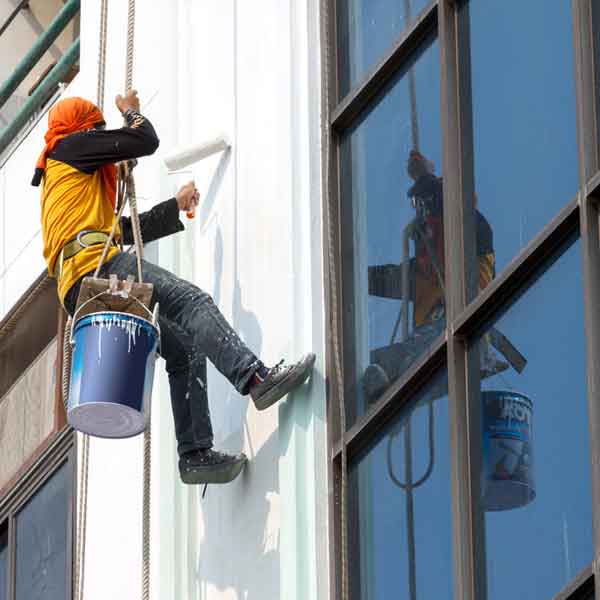
Industrial painting can involve working at heights, handling chemicals, operating specialised equipment and accessing restricted areas. Therefore, safety planning is essential.
Before work begins, contractors should assess site-specific hazards and establish appropriate control measures. These may include personal protective equipment (PPE), safe access systems, ventilation, barricades and suitable chemical handling procedures.
If painting takes place in an operational factory or warehouse, workers and contractors must also coordinate access to prevent unnecessary risks.
-
Schedule Work to Minimise Business Disruption
Industrial painting can affect daily operations, particularly when machinery, production areas or warehouse access points need to be temporarily restricted.
Businesses should discuss scheduling requirements with their painting contractors well in advance.
Depending on the project, work may be arranged:
- During weekends or scheduled shutdowns.
- In separate stages or designated sections.
- Outside peak production hours.
- Around equipment movement and deliveries.
A practical schedule helps maintain productivity while allowing painters sufficient time to prepare surfaces, apply coatings and complete inspections.
-
Consider Perth’s Weather Conditions
Weather is particularly important for exterior industrial painting. Perth’s hot summers, seasonal rainfall and changing humidity can affect coating application and curing.
Temperature, humidity, wind and surface moisture should be monitored throughout the project. Some coatings also have specific application temperature limits.
Planning around suitable weather conditions helps reduce application problems and improves the likelihood of achieving a consistent finish.
-
Allow Time for Inspection and Quality Checks
Industrial painting planning should include a final inspection rather than treating paint application as the last step.
Depending on the project specifications, inspections may cover surface preparation, coating thickness, adhesion, coverage and visible defects.
Any identified issues should be addressed before the facility returns to normal operation. Allowing adequate curing time is equally important for achieving the intended coating performance.
Plan Your Industrial Painting Project in Perth and Kelmscott
Industrial painting requires coordinated planning, technical knowledge and attention to workplace safety. From choosing protective coatings to scheduling work around business operations, every stage contributes to the quality and longevity of the finished project.
Whether you manage a warehouse, factory or commercial facility in Perth or Kelmscott, working with experienced industrial painters in Kelmscott and surrounding suburbs can help you plan the project efficiently and protect your investment. Start with a detailed site assessment and give every stage the attention it deserves.
Plan Your Industrial Painting Project with Confidence
Give your industrial facility the protection and professional finish it deserves. Whether you operate a warehouse, factory or commercial property in Perth or Kelmscott, experienced industrial painters from Pete The Painter Perth can help you plan every stage efficiently. Get in touch today by calling 0415 922 743 to discuss your project and arrange a site assessment.
Frequently Asked Questions
- How much planning is required for an industrial painting project?
Industrial painting requires detailed planning covering site assessment, surface preparation, coating selection, workplace safety, scheduling and quality inspections. The complexity depends on the facility’s size and operational requirements.
- How long does industrial painting usually take?
The duration depends on the project area, surface condition, preparation requirements, coating system and curing time. Large industrial facilities may require several days or weeks to complete.
- What type of paint is best for industrial buildings?
Epoxy, polyurethane and anti-corrosion coatings are commonly used for industrial applications. The right choice depends on the surface material, environmental exposure and required protection.
- Why is surface preparation important before industrial painting?
Surface preparation removes rust, grease, dirt and deteriorated coatings. It improves paint adhesion, prevents premature coating failure and helps achieve a durable finish.
- Can industrial painting be completed without interrupting business operations?
Yes. Contractors can organise staged painting, weekend work or scheduled shutdowns to minimise disruption to production, storage and other business activities.
- What safety measures are necessary during industrial painting?
Important measures include risk assessments, appropriate PPE, ventilation, safe access equipment, chemical handling procedures and suitable worksite controls. Additional precautions may be necessary when working at heights or in confined spaces.

