
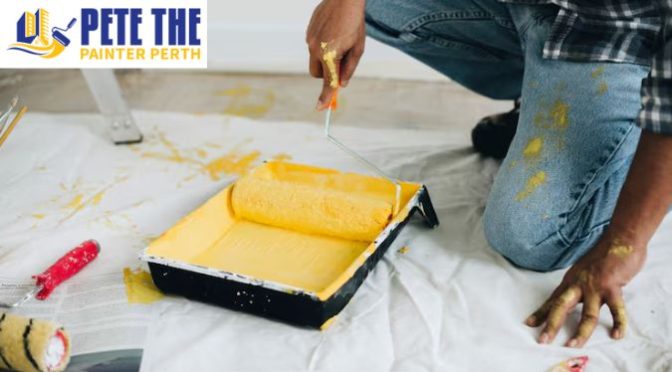
A fresh coat of paint can completely transform your home, but it can also create a mess if not handled correctly. Professional residential painters understand that protecting your furniture, flooring, and personal belongings is just as important as achieving a flawless finish on your walls. Whether it’s a large-scale renovation or a simple refresh, proper protection ensures that your home remains safe from paint splatters, scratches, dust, and accidental damage. Here’s how experts in residential painting safeguard your living spaces during a painting project.
Using High-Quality Drop Cloths and Protective Materials
One of the first things professional residential painters in Perth do when they begin a project is cover your floors and furniture with premium protective materials. This may include:
- Heavy-duty canvas drop cloths
- Plastic sheeting
- Rosin paper for hardwood floors
- Non-slip protective mats
These materials create a barrier between the painting area and your belongings. Canvas cloths prevent paint from seeping through, while plastic sheeting shields furniture from dust, drips, and overspray. Professional-grade coverings are thicker and more reliable than DIY alternatives, ensuring maximum protection.
Careful Furniture Relocation and Positioning
Before starting any residential painting in Perth, painters often move furniture away from the walls to create a safe working space. Large pieces are usually shifted to the centre of the room and covered, while delicate ones may be moved to another area altogether.
Skilled painters ensure that each piece is handled carefully to avoid scratches or structural damage. They also note the furniture layout so it can be returned to its original position.
Floor Protection Techniques for All Types of Surfaces
Flooring is one of the most vulnerable areas during a painting project. Whether you have carpet, tiles, vinyl, or hardwood, professional residential painters in Perth use surface-specific protection. For example:
- Hardwood floors: rosin paper and padded coverings prevent scratches
- Carpets: thick drop cloths and taped edges keep fibres paint-free
- Tiles: non-slip cloths prevent slipping while also protecting grout lines
By using the right materials for each area, painters ensure that your flooring remains spotless throughout the project.

Masking, Taping and Precision Preparation
Preparation is a critical part of any residential painting project. Painters use high-quality painter’s tape to protect surfaces such as skirting boards and window frames.
- Skirting boards
- Window frames
- Door trims
- Light switches and power points
Once the project is complete, this meticulous taping process prevents accidental paint marks and yields crisp, clean lines. Professional painters also cover vents, fixtures, and appliances for additional protection.
Dust Control Measures and Clean Work Practices
Sanding, scraping, and patching walls can create dust. To manage this, residential painters use:
- Dust barriers
- Vacuum-assisted sanders
- Air purifiers where needed
These tools keep your home clean and reduce the mess that often comes with surface preparation.
Protecting your home during a painting project is a crucial part of professional residential painting services. Skilled residential painters go beyond just applying colours; they safeguard your furniture, floors, and belongings with thorough preparation, premium protective materials, and careful handling. When done right, you get a beautiful, fresh space without any of the stress or mess.
Schedule An Appointment With Us
Contact Pete The Painter Perth today and let the experts bring your vision to life. Call us now at 0415 922 743 or email us at scudman60@yahoo.com.au.

